
01 · SMALL INCISION
SMILE & SMILE Pro
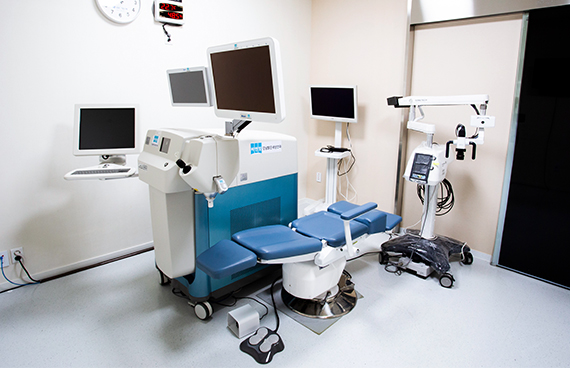
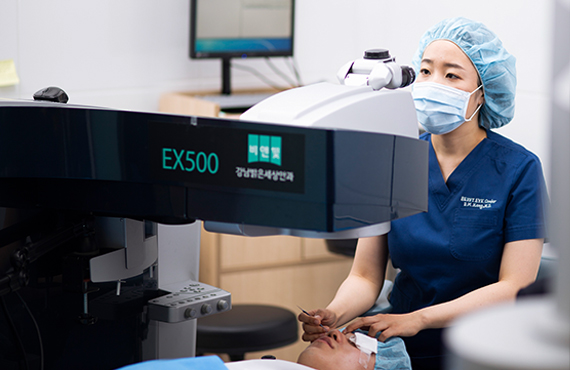
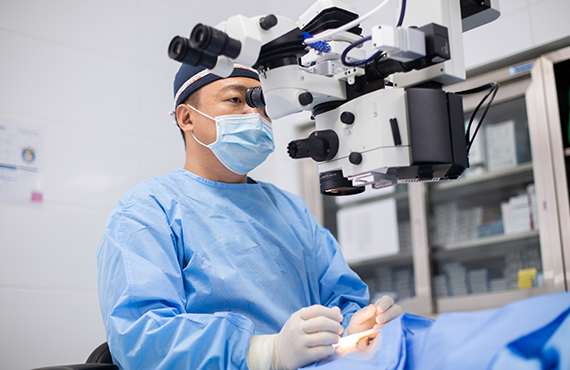
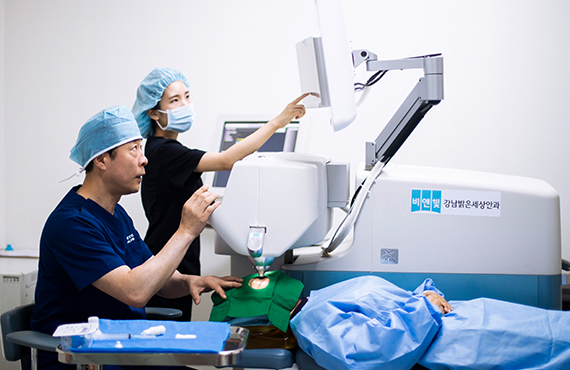
A laser creates a thin lenticule inside the cornea, removed through a ~2 mm incision. SMILE Pro uses the VisuMax 800 with under 10 seconds of laser time.
Explore SMILE Pro → Understand SMILE →10 Street Name, City Name
Country, Zip Code
555-555-5555
myemail@mailservice.com
Planned by 12 ophthalmologists and an AI prediction system built on 580,000+ eyes. Start with a full eye examination — and, if you're suitable, surgery can follow the same day.
Every one of our 12 ophthalmologists has had vision correction surgery themselves — and several have operated on their own children and parents.
Dr. Jin-kuk Kim operated on his own daughter.
Dr. In-sik Lee operated on both of his daughters.
Dr. Hee-sun Kim performed vision correction for her children.
Dr. Hannuy Choi performed cataract surgery for her mother.
Dr. Ik-hee Ryu performed refractive cataract surgery for his father.
Bring these questions to your consultation at B&VIIT. Ask about an appointment →
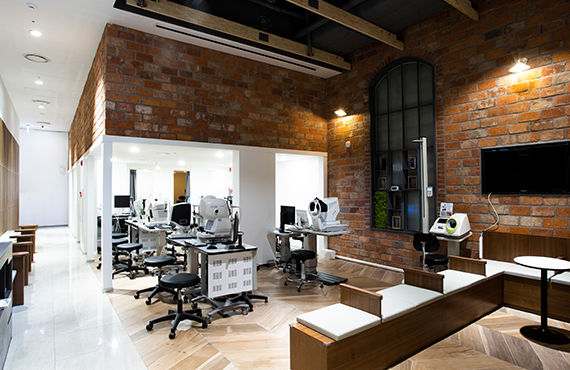
B&VIIT Eye Center is a vision correction and refractive cataract clinic in Gangnam, Seoul, established in 1994. Its 12 ophthalmologists — most trained at Yonsei University Severance Hospital — perform SMILE Pro, SMILE, LASIK, LASEK, ICL and cataract surgery for Korean and international patients.
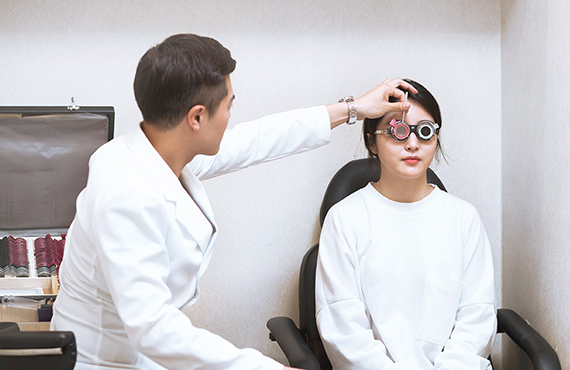
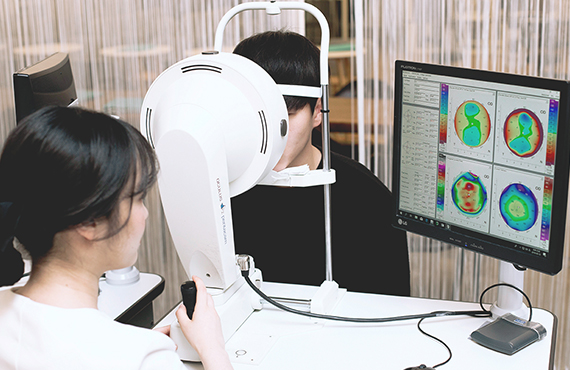
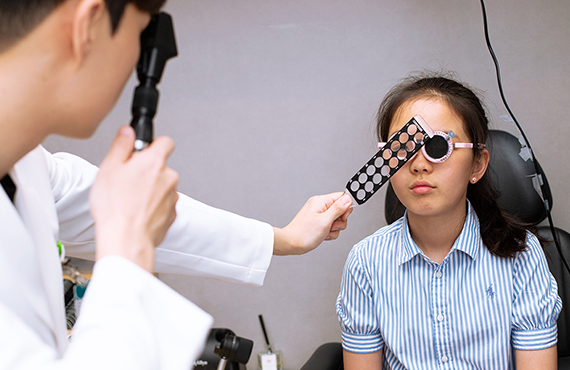
Care starts with understanding how you see. Up to 60 diagnostic tests measure your corneal shape and thickness, prescription stability, tear film and eye health. B&VIIT's AI vision correction prediction system then compares your results with data from more than 580,000 eyes to help your surgeon recommend the option that suits you — which may also be continuing with glasses or contact lenses.
The team shares its work with peers: 120 published research papers and 50+ international medical lectures since 2011. About the center and medical team →
Different procedures suit different eyes. Explore how they work, then discuss the benefits and trade-offs with your ophthalmologist.
A laser creates a thin lenticule inside the cornea, removed through a ~2 mm incision. SMILE Pro uses the VisuMax 800 with under 10 seconds of laser time.
Explore SMILE Pro → Understand SMILE →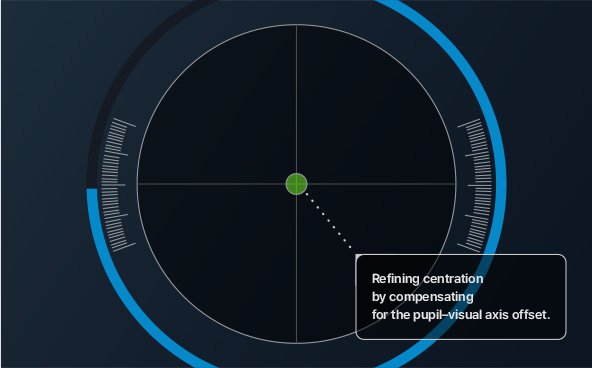
LASIK reshapes the cornea beneath a flap. PersonalEYES adds an individual optical model to planning for suitable eyes, helping reduce glare and residual astigmatism.
Explore LASIK → Understand PersonalEYES →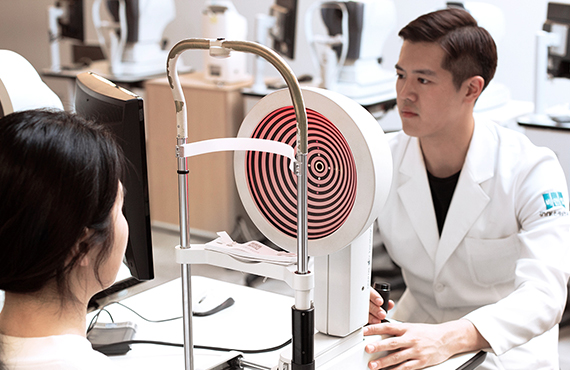
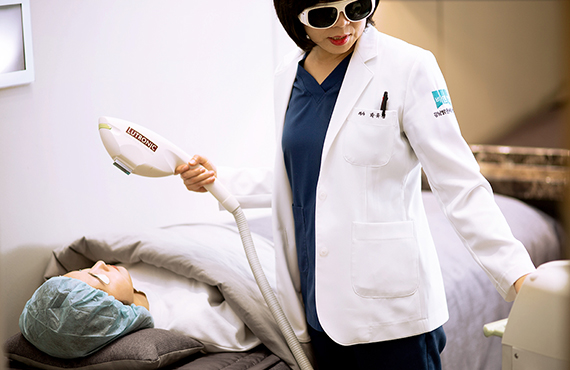
Surface laser treatment avoids a flap — suited to thin corneas or contact sports — but the eye surface needs several days to heal.
Explore LASEK and PRK →
A custom Collamer lens corrects vision while keeping your natural lens and cornea intact. It is intraocular surgery requiring careful measurement and monitoring.
Explore ICL → Understand phakic lenses →
Cataract surgery replaces the cloudy natural lens. Lens choice should reflect your eye health, visual needs and tolerance for optical side effects.
Explore cataract care →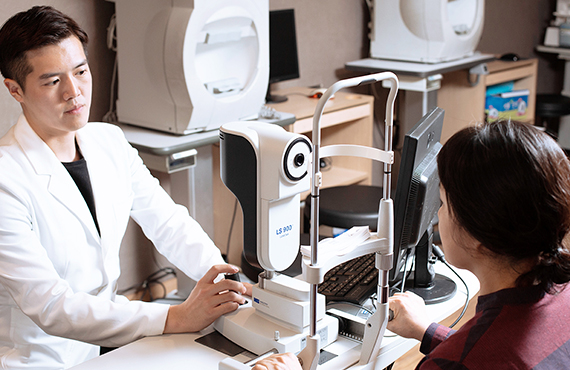
Specially fitted overnight lenses temporarily reshape the cornea. Lens hygiene, a suitable fit and regular checks are essential.
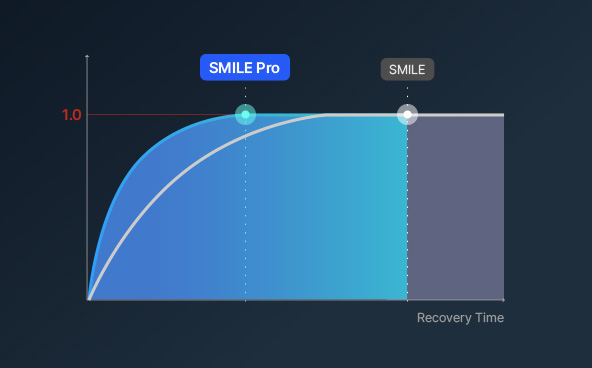
Explore Ortho-K →SMILE Pro replaces the VisuMax 500 laser with the VisuMax 800 femtosecond laser. Laser time falls to under 10 seconds — about one-third of conventional SMILE — reducing exposure and the risk of suction loss.

Video: How SMILE Pro works at B&VIIT
A side-by-side summary. Your surgeon confirms suitability only after a full examination.
| SMILE / SMILE Pro | LASIK | LASEK (PRK) | ICL (Phakic IOL) | |
|---|---|---|---|---|
| Method | No flap; lenticule removed through ~2 mm incision | Flap created, then laser reshaping | Surface epithelium removed, then laser | Custom lens placed behind the iris via 2–3 mm incision |
| Often suits | Fast recovery; dry-eye concerns; myopia & astigmatism | Short time off work; corneas over 500 μm | Thin corneas; small eyes; contact sports | High myopia; thin corneas; not laser candidates |
| Typical recovery | Most return to daily life next day | Fast; avoid pressure on the eyes early on | 3–4 days of mild discomfort | Usually next day |
| Follow-up | Day 1, 1 mo, 6 mo, 1 yr | Day 1 and routine checks | Day 1, day 4; care for 3–6 months | Weekly for 1 month, then regular |
A medical certificate can be provided for post-operative check-ups in your home country.
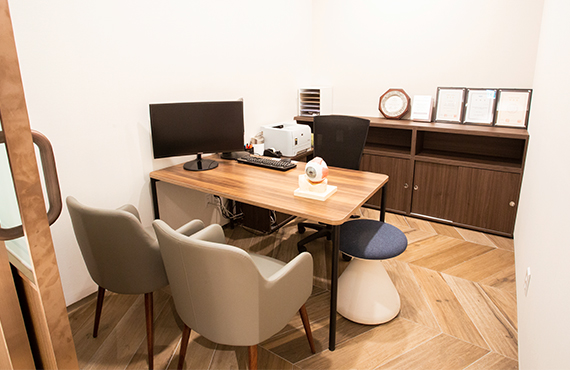
A prescription alone cannot tell you which operation is appropriate. Your consultation connects your measurements with your goals and the risks you are willing to accept.
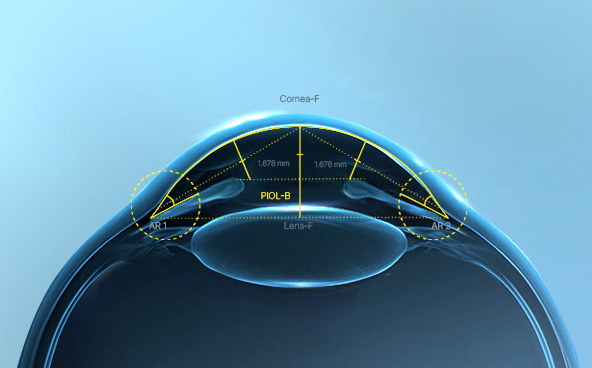
B&VIIT's AI system compares your results with data from 580,000+ eyes — and, for ICL, predicts the ideal lens size and position.
Ask who will assess your eyes, perform your procedure and oversee your follow-up. Every B&VIIT surgeon has had vision correction surgery personally.


About the center and medical team
Suitable patients can have the examination in the morning and surgery the same afternoon — useful on a short stay in Seoul. An English-speaking coordinator supports you from first message to final check. SMILE LASIK in Korea for international patients →

Video: The one-day surgery journey
Share your dates and contact lens type. Confirm how long to stop wearing lenses and what records to bring.
Up to 60 tests. Review your findings, alternatives and a written quotation.
Surgery is offered only when the examination supports it — the same day if suitable.
Attend early checks and agree a follow-up and contact plan before leaving Korea.
Procedure explainers and surgery walk-throughs from our ophthalmologists.

Also follow our Korean account @bnviit.
"Several doctors told me surgery was impossible for my eyes. After Toric ICL with Dr. Ryu, my vision is now near normal."
"The medical service was flawless and Dr. Choi was professional and transparent. My vision went from 1/10 and 2/10 to 12/10."
"The AI system and the full range of options, from PRK to SMILE and ICL, add real value for patients."
Individual experiences; results and recovery differ between patients.
Eye surgery can cause dry eye, glare, halos, residual prescription or more serious complications. Some people still need glasses. Results and recovery differ, and no procedure guarantees a particular visual outcome.
Patient information: refractive surgery risks (U.S. FDA) →The answer depends on your prescription, corneal shape and thickness, tear film, eye health and daily activities. Your examination may lead to a recommendation for SMILE, LASIK, surface laser treatment, a lens implant or continued use of glasses and contact lenses.
Yes. Contact the international patient team in English with your preferred appointment dates and treatment questions. An enquiry is not a confirmed appointment or a determination that surgery is suitable.
A written quotation should identify the procedure, whether it covers one or both eyes, any additional testing or treatment, medication and follow-up. The final plan and price depend on the examination; this website does not promise a single price for every patient.
Some suitable patients can arrange examination and surgery on the same day. Leave time for the required early follow-up and arrange ongoing care before returning home. Ask the team to confirm your travel schedule before buying non-refundable tickets.
Content updated 10 October 2026. General patient information; individual recommendations follow an ophthalmic examination.
韓國首爾近視雷射、SMILE Pro、ICL — 中文諮詢與預約