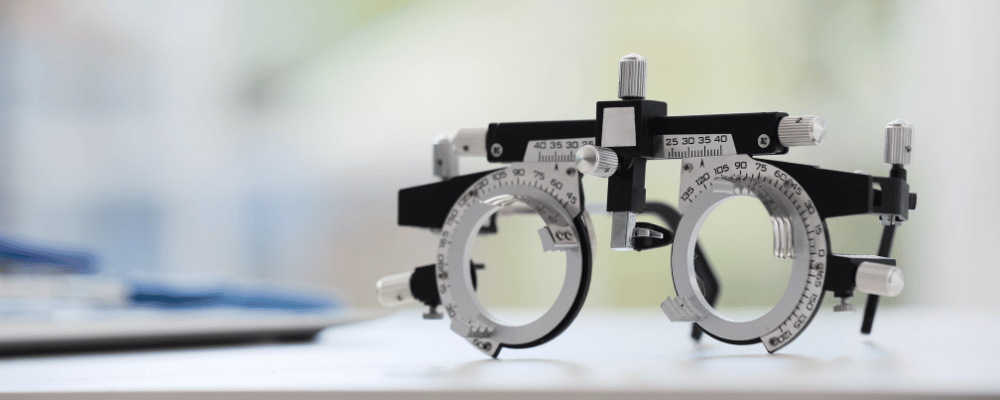
Future of Vision Correction Surgery
Future of Vision Correction Surgery
LASIK and other refractive procedures are evolving rapidly as technology moves toward greater precision, less invasiveness, and more personalized outcomes. The future of vision correction is no longer just about improving eyesight—it is about creating customized, long-term optical optimization for each individual eye.
AI-Driven Personalized Surgery
Artificial intelligence is becoming central to modern eye surgery planning.
Future systems will:
- Predict optimal surgical outcomes with higher accuracy
- Create fully personalized laser profiles for each eye
- Detect hidden corneal risks before surgery
- Continuously refine treatment algorithms based on global data
This means surgeries will become more individualized than ever before.
Next-Generation Laser Platforms
Laser technology is moving toward:
- Faster pulse delivery (ultra-high-speed femtosecond lasers)
- More precise corneal reshaping at micro-level scale
- Reduced thermal and mechanical impact on eye tissue
- Improved night vision outcomes
These advancements aim to make procedures safer and more efficient.
Expansion of Flap-Free Procedures
Flap-free techniques are becoming more popular, especially with advancements in:
SMILE Pro
Future directions include:
- Smaller incisions
- Faster recovery times
- Improved correction range (including more astigmatism control)
- Better visual stability in high prescriptions
This trend reflects a shift toward minimally invasive eye surgery.
Evolution of Implantable Lenses
Procedures like EVO ICL are also advancing.
Future improvements include:
- More biocompatible lens materials
- Expanded treatable prescription ranges
- Easier implantation techniques
- Reduced glare and halo side effects
ICL is expected to play a larger role for patients not suitable for laser surgery.
Regenerative and Biological Vision Repair
Research is moving beyond reshaping the cornea toward biological regeneration, including:
- Corneal tissue healing enhancement
- Stem cell-based corneal repair
- Bioengineered corneal substitutes
- Nerve regeneration for dry eye prevention
These approaches could reduce dependence on laser reshaping in the long term.
Smarter Diagnostic Systems
Future diagnostics will be far more advanced, using:
- 3D real-time eye mapping
- AI-based risk prediction models
- Genetic and biomechanical eye profiling
- Continuous monitoring of eye health trends
This will improve patient selection and surgical safety.
Faster and More Comfortable Recovery
Recovery is expected to become:
- Faster (possibly near-instant visual stabilization in some cases)
- Less uncomfortable (reduced dry eye and irritation)
- More predictable across different patient types
Post-operative care may also become partially automated with digital monitoring.
Toward Fully Customized Vision Optimization
The future is shifting from “correcting vision” to “designing vision.”
This includes:
- Tailored night vision profiles
- Enhanced contrast sensitivity correction
- Occupational vision customization (drivers, pilots, gamers)
- Long-term optical stability planning
Surgery outcomes will increasingly match lifestyle needs.
Final thoughts
The future of vision correction surgery is moving toward a combination of AI precision, flap-free laser techniques, advanced implantable lenses, and even biological regeneration. While LASIK remains a foundation of modern refractive surgery, newer technologies like SMILE Pro and EVO ICL are shaping a future where vision correction becomes more personalized, less invasive, and increasingly optimized for individual lifestyles and eye biology.