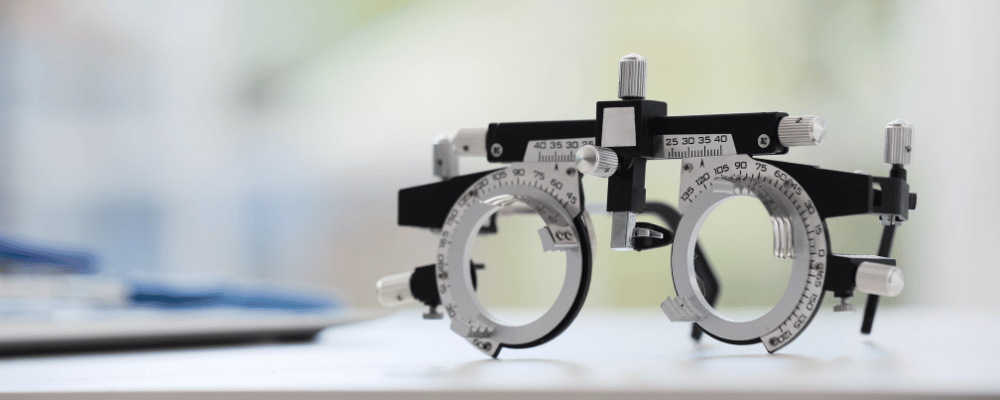
Latest LASIK Technology in Korea
Latest LASIK Technology in Korea
LASIK in South Korea is known for being highly advanced, with clinics in Seoul quickly adopting next-generation vision correction systems. In 2026, Korean eye centers are focused on improving precision, safety, recovery speed, and customization, using a combination of laser platforms, diagnostic AI, and flap-free techniques.
Next-Generation SMILE Technology
One of the most important advancements is the evolution of SMILE procedures.
SMILE has evolved into newer variations such as:
- SMILE Pro (faster laser delivery)
- Enhanced femtosecond laser systems
- Smaller incision techniques for faster healing
Key improvements:
- Shorter laser time (faster suction phase)
- More stable corneal shape outcomes
- Reduced dryness in selected patients
- Better precision for moderate to high myopia
Many Korean clinics now offer SMILE as a primary alternative to LASIK.
Femto-LASIK (Flap-Based Precision Upgrade)
Modern LASIK in Korea is typically performed as Femto-LASIK, which replaces mechanical blades with femtosecond lasers.
Advantages of newer Femto systems:
- Ultra-precise corneal flap creation
- Reduced flap complications
- More predictable healing
- Improved night vision outcomes
This is considered a major upgrade from older microkeratome-based LASIK.
Wavefront & Topography-Guided LASIK
Korea widely uses customized laser mapping systems.
These include:
- Wavefront-guided LASIK (corrects optical imperfections)
- Topography-guided LASIK (maps corneal surface irregularities)
Benefits:
- More personalized vision correction
- Better contrast sensitivity
- Improved night driving vision
- Reduced risk of visual distortions
This customization is one reason Korea has high satisfaction rates.
AI-Based Pre-Surgery Diagnostics
Modern Korean clinics increasingly use AI-assisted screening tools.
These systems help:
- Detect early corneal irregularities
- Predict dry eye risk
- Optimize surgical parameters
- Improve patient selection safety
This reduces complication risks and improves long-term stability.
Advanced Dry Eye Management Technology
Dry eye prevention is a major focus in Korea’s LASIK ecosystem.
Common technologies include:
- Meibomian gland imaging systems
- Tear film stability analysis tools
- Pre- and post-op tear therapy protocols
This is especially important for long-term comfort after surgery.
EVO ICL Advancements for High Myopia
EVO ICL is also widely performed in Korea as a premium alternative to laser surgery.
New improvements include:
- Better lens biocompatibility
- Reduced glare and halo risk
- Expanded eligibility range
- Faster visual stabilization
This is increasingly chosen for high prescriptions or thin corneas.
High-Speed Laser Platforms
Korean clinics often use the latest high-frequency excimer and femtosecond lasers.
Benefits:
- Shorter surgery time
- More comfortable procedure experience
- Greater precision in corneal reshaping
- Improved safety consistency
This contributes to Korea’s reputation for efficiency.
Faster Recovery Protocols
Modern LASIK recovery in Korea is enhanced by:
- Improved corneal healing protocols
- Advanced lubricating eye drops
- Personalized post-op monitoring schedules
- Early stabilization tracking
Many patients achieve functional vision within 24–48 hours.
Why Korea Leads in LASIK Technology Adoption
Korea is considered a global leader in refractive surgery innovation because:
- High patient volume supports rapid technology testing
- Strong competition among specialized eye clinics
- Fast adoption of FDA/CE-approved systems
- Heavy focus on cosmetic + functional eye surgery optimization
This creates a very fast innovation cycle compared to many countries.
Final thoughts
The latest vision correction landscape in Korea is defined by highly advanced systems combining Femto-LASIK, SMILE upgrades, wavefront/topography-guided customization, and AI-driven diagnostics. With procedures like LASIK and SMILE continuously improving, Korea remains one of the most technologically advanced and efficient destinations for modern refractive eye surgery in 2026.