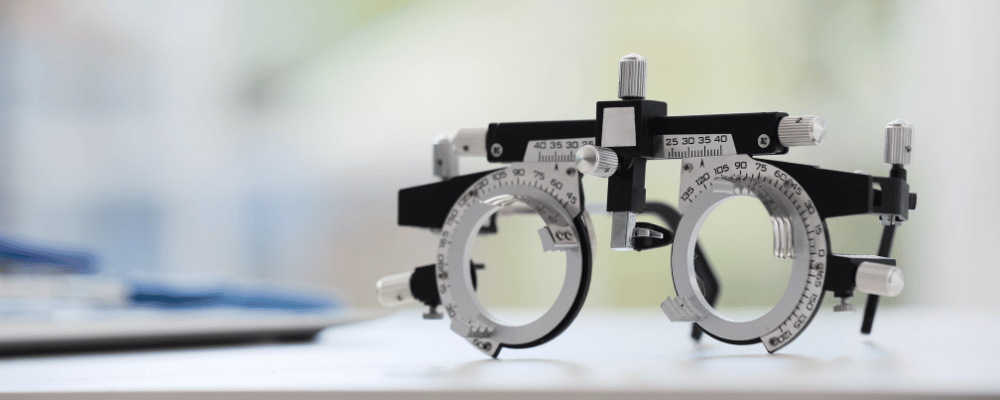
LASIK Success Rate in Korea
LASIK Success Rate in Korea
LASIK in Korea is widely regarded as highly successful due to advanced surgical technology, strict pre-operative screening, and experienced refractive surgeons. Overall, Korea reports very high patient satisfaction and strong visual outcomes, especially in major medical centers in Seoul.
Overall Success Rate
In general, modern LASIK in Korea shows:
- Around 95–99% of patients achieving significant vision improvement
- A large majority reaching 20/20 vision or better
- Very high patient satisfaction rates globally and locally
“Success” is typically defined as:
- Reduced dependence on glasses or contacts
- Stable, clear distance vision
- No major complications
20/20 Vision Outcomes
Many patients achieve excellent visual acuity after surgery.
Typical outcomes:
- Most patients reach 20/20 vision
- Some achieve better than 20/20
- A small percentage may have mild residual prescription
Results vary depending on individual eye conditions.
Why Success Rates Are High in Korea
Korea is known for strong outcomes due to several factors:
- Advanced laser technology (femtosecond and excimer systems)
- High surgical volume in specialized eye clinics
- Detailed corneal mapping and pre-screening
- Careful patient selection criteria
- Experienced refractive surgeons in major clinics
These systems reduce the risk of poor outcomes.
Importance of Patient Selection
One of the biggest reasons for high success rates is strict screening.
Before surgery, clinics evaluate:
- Corneal thickness and shape
- Prescription stability
- Dry eye condition
- Retinal and optic nerve health
- Overall suitability for LASIK
Patients who are not ideal candidates are often recommended alternative procedures instead.
Satisfaction Rates
Beyond vision numbers, satisfaction is very high.
Most patients report:
- Improved quality of life
- Freedom from glasses or contacts
- Better convenience for sports and travel
- High satisfaction with surgical results
Even patients who need minor adjustments often remain satisfied.
Possible Limitations
While success rates are high, outcomes are not identical for everyone.
Some patients may experience:
- Mild dry eye symptoms
- Night glare or halos (temporary in most cases)
- Slight residual prescription
- Need for reading glasses later in life
These are usually manageable or temporary.
Long-Term Stability
Korean LASIK results are generally stable for many years.
However, long-term changes can occur due to:
- Natural aging of the eye
- Development of Presbyopia
- Cataracts in older age
- Minor refractive changes over time
These changes are not considered LASIK failure.
How Korea Compares Globally
Korea is considered one of the leading countries for LASIK due to:
- High surgical expertise
- Strong diagnostic systems
- Competitive pricing with advanced care
- High international patient volume
Many international patients travel specifically for these advantages.
Final thoughts
The success rate of LASIK in Korea is very high, with most patients achieving excellent vision improvement and long-term satisfaction. While individual results depend on eye health and healing response, Korea’s advanced technology, strict screening process, and experienced surgeons contribute to consistently strong outcomes and a high level of patient confidence.